A Practical Guide to Linen Care: From Care Labels to Stain Solutions
A refined, editorial exploration of linen care that elevates your textiles while demystifying care labels, washing cycles, and stain strategies for longevity and luxurious texture.
Linen is more than a fabric; it is a sensorial ritual. Its breathability, moisture-wicking prowess, and evolving softness reward those who treat it with patient reverence. In this guide, we invite you into a world where care labels become a map, washing cycles translate into a choreography, and stains become moments you conquer with grace. The aim is simple: extend the life of your bedding and towels without sacrificing the tactile pleasure that linen affords.
This guide is not merely a how-to; it is a Vogue-worthy mis-en-scene for your laundry ritual. Think of it as a capsule of timeless techniques that suit real homes, real climates, and real wardrobes. We will explore linen’s defining properties, decode care labels with elegance, offer practical stain strategies, and present routines that keep linens soft, breathable, and beautifully intact for years to come.
Linen: The Fabric, The Why, The How
Linen fibers, derived from the flax plant, are inherently breathable, moisture-wicking, and thermoregulating. Unlike cotton, linen fibers have a natural structure that allows air to circulate between fibers, giving linen its iconic cool-to-the-touch quality. Over time and after repeated washes, linen becomes softer and more pliant, a testament to the fabric’s durability and evolving character.
When you read a care label on a linen sheet or duvet cover, you are reading a compact history of the textile. Look for signals like linen or flax content, washing temperature guidelines, recommended cycle types, and notes about tumble drying or line drying. The choices you make here ripple into long-term performance: how well the fabric resists wrinkling, how quickly it dries, and how it preserves its crisp yet soft hand.
Interpreting Care Labels: The Vogue of Fabric Literacy
A well-written care label does more than instruct; it communicates. It signals the ideal wash temperature, the recommended cycle, whether to avoid fabric softeners, and if high-heat tumble drying is advisable. Linen often benefits from a warmer wash to remove oils and maintain brightness, followed by a cooler rinse. Yet the hallmark of modern care is adaptability: linen thrives in a spectrum of settings, as long as the cycle remains gentle and the fabric is not subjected to aggressive mechanical action.
Here are the essential label cues you’ll encounter and how to translate them into action:
- Temperature: Linen usually tolerates warm washes (40–60°C) but can be gentle at lower temperatures for everyday care. Higher temperatures can help with stubborn oils and allergens but may shorten fiber life if done too often.
- Cycle: A gentle or delicate cycle minimizes abrasion and pilling while preserving drape and texture.
- Detergent: A mild, phosphate-free detergent is preferred. Avoid bleach unless the garment care label explicitly allows it, as chlorine can be harsh on natural fibers.
- Fabric Softener: Reserve fabric softeners for special occasions; linen often performs best with minimal softening so the fibers remain crisp and breathable.
- Drying: Line drying is ideal for linen to minimize wrinkles and reduce energy use. If using a dryer, choose a low heat setting and remove while still slightly damp to prevent overdrying.
A Practical Stage: Stains and Their Save-Points
Linen’s natural resilience makes many stains approachable with the right approach. The headline is to act promptly, but not aggressively. For most common marks—coffee, tea, red wine, fruit, and oil—begin with blotting rather than rubbing to avoid driving stain particles deeper into the fiber.
Stain strategy in practice:
- Protein-based stains (milk, sweat): Rinse with cool water, apply a gentle pretreatment with a mild enzyme-based cleaner, and launder on a warm cycle as allowed by care labels.
- Tannin stains (tea, coffee, wine): Rinse with cold water, apply a stain remover designed for tannins, and launder. Avoid hot water, which can set these stains.
- Oil-based stains (butter, salad dressing): Sprinkle a small amount of baking soda or cornstarch to absorb oil, brush away, then treat with a gentle detergent before washing.
- Rust or mineral stains: Treat with a solution of lemon juice and salt (sparingly) or a rust-removing product appropriate for linen; test on an inconspicuous area first.
Storage and Care: A Gentle Ritual
Storage is a quiet act of preservation. Keep linen away from direct sunlight for extended periods to avoid yellowing. Ensure linens are fully dry before folding and storing to prevent mildew. For added freshness, fold with a sachet of dried lavender or a neutral scented sachet, but avoid overpowering fragrance that can mask fibers over time.
A practical routine to implement:
- Wash linens with like colors to prevent color transfer, especially if you are mixing whites with pale tones.
- Drape larger pieces over a drying rack to reduce the need for ironing; linen loves air and gravity does the rest.
- Store in a cool, dry place with adequate airflow; use breathable cotton bags rather than plastic to maintain humidity balance.
A Vogue Twist: The Fiona Fitted Sheet as a Case Study
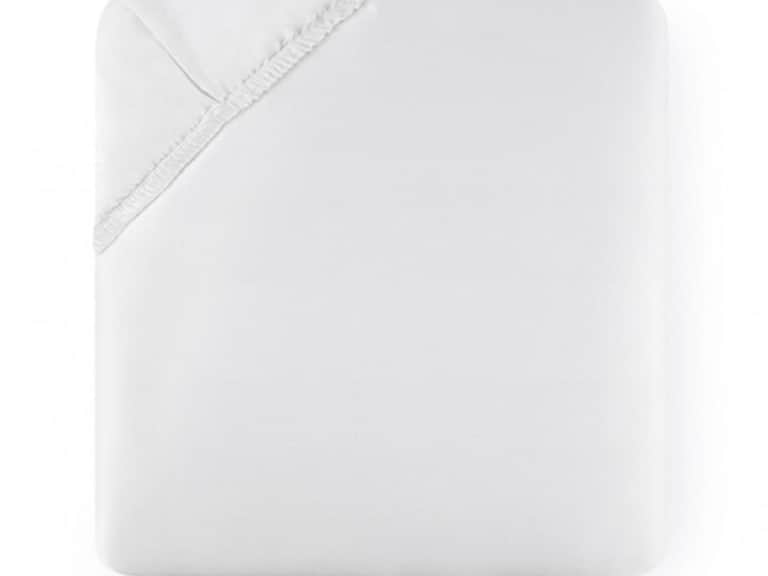
The Fiona Fitted Sheet (14" Pocket) is a quintessential example of linen's modern luxury—though here we pivot toward a broader truth: linen’s care is a ritual of respect for its fiber. This sheet, woven in Italy from 100% long-staple cotton with a satin finish, stands in as a reference point for discussing care across materials. While the Fiona is a cotton sateen, the care philosophy—gentle cycles, mindful detergents, and consistent, cool-drying logic—applies across linen care to heighten overall textile longevity.
The sheet’s durable construction and elegant hand illustrate how care routines harmonize with design: easy laundering, restrained handling, and a sense of quiet luxury that remains relevant through seasons and trends. It is a reminder that textiles—whether linen or cotton—are at their best when treated with a rituals-like choreography rather than a brute force approach.
For Finelinens.uk, the Fiona sheet becomes a beacon: a product that demonstrates the value of quality fibers and precise finishing, while guiding readers toward timeless care that elevates daily rituals.
Editorial Wellness: A Chapter on Ethos and Sustainability
Beyond the practical, linen care invites a philosophical moment about sustainability and responsible production. Linen’s durability—often better for long life than many synthetics—aligns with sustainable design: fewer replacements, longer lifespans, and ethically sourced fibers. This ethos frames our care guidance as a commitment to mindful consumption, ensuring that the clothes, towels, and sheets we love endure with grace.
The sustainability section within finelinens.uk can feature a glossary of terms (GOTS certification, raw flax fiber, and European flax supply chains), alongside curated resources that connect care with ethical production. The conversation becomes richer when we acknowledge the chain of origin and the impact of washing cycles on energy and water use.
A Curated Reading List: Three Key Individuals Across Time
To deepen the narrative around linen care and textile science, we feature three influential figures who, in different eras, helped shape thinking about fabrics, care, and textile aesthetics:
- Hypatia of Alexandria (c. 350–415 CE) — The Early Breath of Reason: A thinker who championed rational inquiry and empirical observation. Hypatia’s approach to knowledge mirrors the modern imperative to observe fabric behavior—how linen responds to heat, moisture, and agitation, and what these observations reveal about fiber structure and longevity.
- Levi Strauss (1829–1902) — The Era of Durable Textiles: While best known for denim, Strauss’s era signified the burgeoning interest in durable materials and practical garment construction. Linen, like denim, has a story of wear, testing, and transformation—an abstract parallel to care pedagogy that prioritizes gentle treatment and lasting quality.
- Léonard de Vinci (1452–1519) — The Engineer of Craft: A polymath who bridged art and science, da Vinci’s observational method underpins our fashioning of care knowledge. His spirit of experimentation invites readers to test a fabric’s response to different wash cycles on a small, inconspicuous swatch before applying to larger linens—ensuring outcomes that respect fiber integrity.
The thread connecting these luminaries to finelinens.uk is a shared devotion to understanding materials through disciplined observation, thoughtful practice, and reverent craft. Their presence in our narrative celebrates the timeless curiosity behind textile care and the modern discipline of textile science.
Product Highlight: Fiona Fitted Sheet (14" Pocket)
Fiona Fitted Sheet (14" Pocket) is a satin-finished, 100% long-staple cotton sheet, born in Italy. Its refined sheen and secure fit make it a staple of sophisticated bedrooms, pairing impeccably with a range of duvet covers and quilts. While it is cotton, its care philosophy—gentle cycles, careful drying, and avoidance of harsh detergents—resonates with linen care and demonstrates the universal truth of textile longevity.
Price: $207.00 (as listed). Description highlights: “A fitted sheet in sateen from 100% long-staple cotton offers a silk-like hand and a refined sheen. Originating in Italy, the fabric delivers a quiet elegance for nightly use, while the 14-inch pocket ensures a secure fit on mid to standard mattresses. Design finishes feature a hem that maintains a clean edge and secure placement.”
Product Snapshot
Fiona Fitted Sheet (14" Pocket)
Material: 100% Long-staple Cotton
Finish: Sateen
Origin: Italy
Care: Machine wash warm; gentle cycle. Tumble dry low. Iron as needed.
Starter Content Plan: On-Site Taxonomy and Editorial Roadmap
To support readers and search visibility, the site will feature a robust taxonomy and an editorial calendar that balances evergreen guides with seasonal care tips. Key categories will include Guides, Fabric Basics, Stains & Cleaning, Sustainability & Ethics, Resources, and About.
- Guides: How-to wash linen; stain removal basics; ironing and finishing; storage and care.
- Fabric Basics: Linen properties; fiber origins; weave and weight variations; care-label decoding.
- Stains & Cleaning: Quick-tips for common stains; safe stain removal recipes using household items.
- Sustainability & Ethics: Certifications (GOTS, Belgian Linen label), eco-friendly detergents, and responsible linen production.
- Resources: Glossary; standards; external references for textiles and care.
Conclusion: A Living, Breathing Approach to Linen Care
Linen care is a ritual that merges luxury with practicality. By decoding care labels, choosing appropriate cycles, and adopting mindful stain strategies, you invite longevity and a sensorial experience into your home. Finelinens.uk is devoted to turning this ritual into a refined, accessible practice—an everyday luxury that endures.